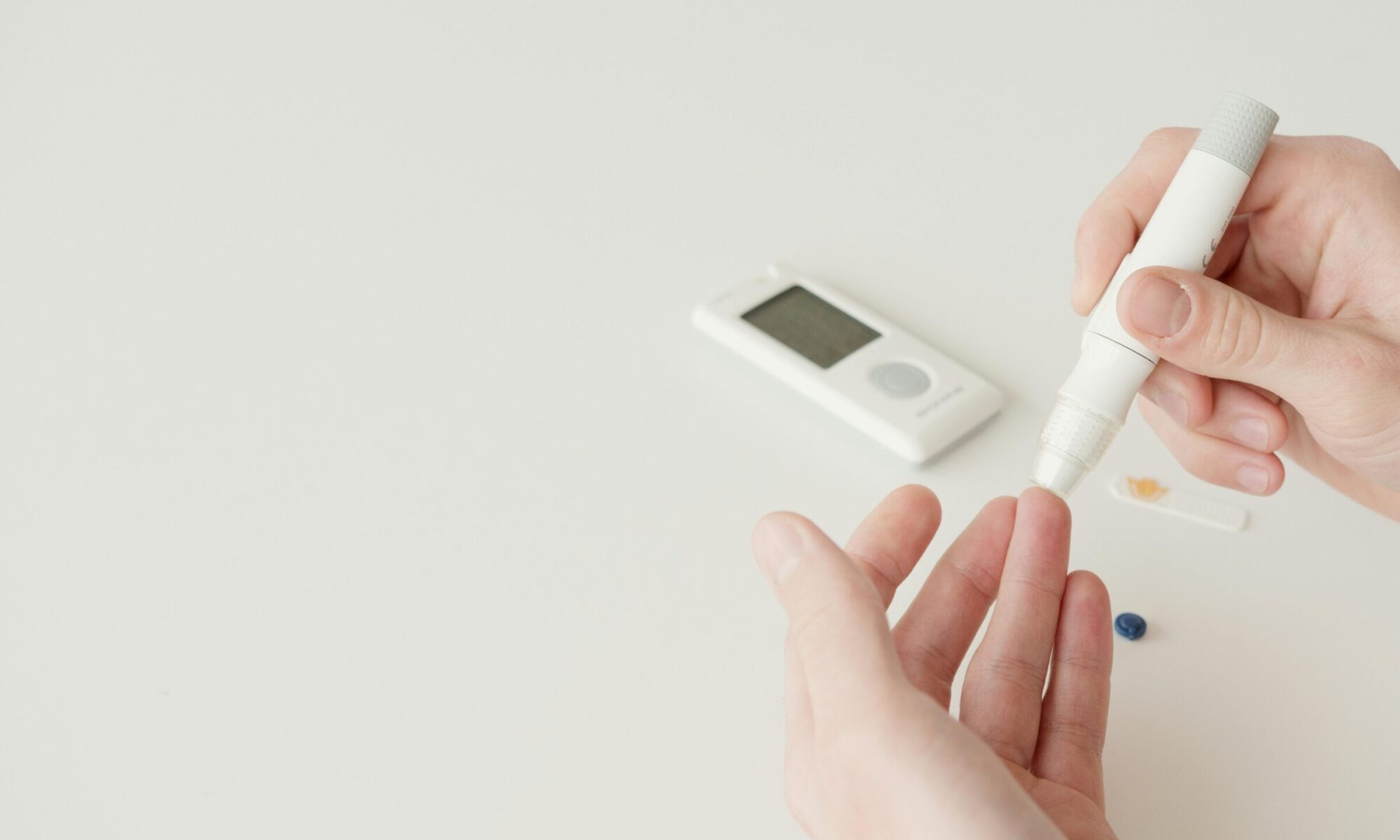

Insulin is an essential hormone for managing blood sugar levels, particularly for individuals with Type 1 Diabetes (T1D) and some with Type 2 Diabetes (T2D). Various types of insulin have been developed to meet specific needs and are categorized based on how quickly they start working, when they peak, and how long their effects last. Understanding the differences can help people with diabetes manage their blood sugar effectively. Here’s a comprehensive look at the main types of insulin, how they work, and when each type is typically used.
Rapid-Acting Insulin
Rapid-acting insulins are designed to act quickly and are usually taken right before or just after meals to control post-meal blood sugar spikes.
- Common Brands: Humalog (insulin lispro), NovoLog (insulin aspart), Apidra (insulin glulisine)
- Onset: Within 10–20 minutes
- Peak: 1–3 hours
- Duration: 3–5 hours
- Usage Scenarios: Rapid-acting insulin is ideal for meal-related blood sugar management because it mimics the body’s natural insulin release in response to food intake. It’s typically used in conjunction with longer-acting insulin to provide overall coverage throughout the day.
Short-Acting (Regular) Insulin
Short-acting insulin, also known as regular insulin, is slightly slower than rapid-acting insulin and is generally taken about 30 minutes before meals.
- Common Brands: Humulin R, Novolin R
- Onset: 30 minutes
- Peak: 2–4 hours
- Duration: 5–8 hours
- Usage Scenarios: Regular insulin is used in similar scenarios to rapid-acting insulin but requires planning ahead of mealtime. It’s often used in hospitals for controlling blood sugar due to its predictability and is sometimes preferred by individuals who have established routines and can plan meal timing.
Intermediate-Acting Insulin
Intermediate-acting insulin, commonly known as NPH insulin, provides longer coverage and helps maintain baseline insulin levels throughout the day or night.
- Common Brands: Humulin N, Novolin N
- Onset: 1–2 hours
- Peak: 4–12 hours
- Duration: 12–18 hours
- Usage Scenarios: Intermediate-acting insulin is often used to provide background or “basal” insulin, helping to control blood sugar levels between meals and overnight. It’s commonly prescribed in twice-daily doses. For those with T2D, it’s sometimes paired with oral medications.
Long-Acting Insulin
Long-acting insulin provides a steady level of insulin throughout the day and night, with little to no peak. It’s taken once or twice daily and is ideal for maintaining baseline blood sugar control.
- Common Brands: Lantus (insulin glargine), Levemir (insulin detemir)
- Onset: 1–2 hours
- Peak: Minimal to no peak
- Duration: Up to 24 hours
- Usage Scenarios: Long-acting insulin is typically used as a basal insulin in people with both T1D and T2D to provide consistent blood sugar control over 24 hours. It’s often combined with rapid- or short-acting insulin to handle meal-related blood sugar increases.
Ultra-Long-Acting Insulin
Ultra-long-acting insulins are designed to last beyond 24 hours, providing even more consistent basal insulin levels. These insulins are useful for people who prefer fewer injections and need a consistent background insulin.
- Common Brands: Tresiba (insulin degludec), Toujeo (insulin glargine U-300)
- Onset: 1–2 hours
- Peak: No significant peak
- Duration: Up to 42 hours (Tresiba) or up to 36 hours (Toujeo)
- Usage Scenarios: Ultra-long-acting insulins are used primarily for T1D or T2D individuals who need a stable, round-the-clock insulin level with fewer injections. It’s especially beneficial for those with irregular schedules or those who experience frequent nighttime hypoglycemia with shorter-duration basal insulins.
Premixed Insulin
Premixed insulin combines a rapid- or short-acting insulin with an intermediate-acting insulin in a single injection. This type simplifies dosing but offers less flexibility.
- Common Brands: Humalog Mix 75/25, NovoLog Mix 70/30, Humulin 70/30, Novolin 70/30
- Onset: Varies, generally within 10–30 minutes depending on the rapid- or short-acting component
- Peak: Varies, multiple peaks due to mixed components
- Duration: Up to 18 hours
- Usage Scenarios: Premixed insulins are useful for people with predictable schedules who find it challenging to manage multiple injections daily. They are commonly prescribed to people with T2D and are often taken twice a day, covering both meal-related insulin needs and basal insulin needs in one shot.
Inhaled Insulin
Inhaled insulin is a newer option that provides a rapid-acting insulin alternative for those who prefer not to use injections for meal-time insulin.
- Common Brands: Afrezza
- Onset: Within 12–15 minutes
- Peak: 30 minutes
- Duration: 2–3 hours
- Usage Scenarios: Inhaled insulin is typically used for T1D and T2D individuals who need a fast-acting insulin option before meals but prefer not to use injections. It’s often used alongside a longer-acting injected insulin for basal needs. However, it’s not suitable for individuals with lung conditions, like asthma or COPD.
Choosing the Right Insulin for Different Needs
The type of insulin prescribed depends on several factors, including blood sugar patterns, lifestyle, age, and individual health needs. Here’s a quick guide on matching insulin types to specific scenarios:
- For Meal-Time Control: Rapid-acting or short-acting insulins are ideal for managing blood sugar spikes right after eating.
- For Baseline (Basal) Coverage: Long-acting and ultra-long-acting insulins provide steady, background insulin to manage blood glucose between meals and overnight.
- For Simplicity and Predictable Schedules: Premixed insulins combine two types of insulin in one dose, simplifying the regimen for those with set meal times.
- For Those Avoiding Injections: Inhaled insulin offers an alternative for meal-time insulin, though it must be used alongside a basal insulin if needed.
Personalized Insulin Therapy for Effective Diabetes Management
Each type of insulin has a unique profile designed to meet specific needs, and the choice often depends on individual circumstances and lifestyle. For people managing diabetes, understanding how each type of insulin works and when it’s used can help improve blood sugar control and enhance quality of life.
For those newly diagnosed or adjusting to insulin therapy, regular consultation with a healthcare provider is essential to identify the most effective insulin type and dosing schedule. With the right approach, insulin can be tailored to support an active, healthy life with diabetes.
Disclaimer:
The content on this website/article is community-driven and contributed by non-medical professionals. The observations and views expressed reflect the experiences and opinions of the non-medical community. You are strictly advised to seek the advice or opinion of a qualified medical professional before considering or acting on any information, opinions, or views presented on this website.
View Count: 0 Views