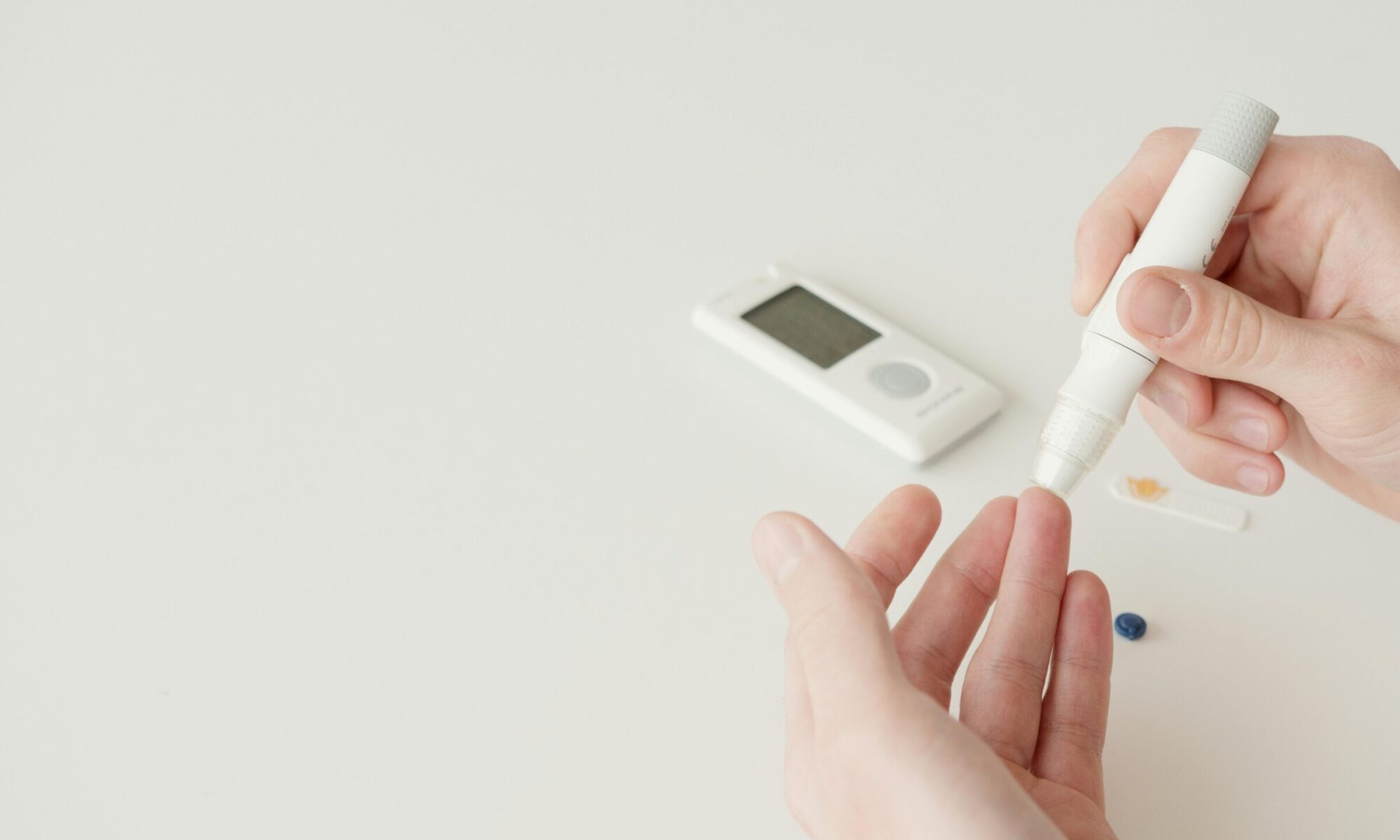

Many people with diabetes notice a frustrating pattern. Blood sugar levels may remain stable during the night, but by early morning, glucose levels rise unexpectedly even without eating anything. This rise often appears confusing because it happens during sleep, when no food is being consumed and physical activity is minimal.
This condition is known as the dawn phenomenon. It is a natural physiological process that becomes more noticeable when the body is unable to regulate glucose effectively.
The dawn phenomenon is not simply a random glucose fluctuation. It is linked to hormonal changes that occur in the early morning hours as the body prepares to wake up. Understanding why this happens is important because early morning glucose patterns influence the rest of the day and can significantly affect overall diabetes management.
What is the Dawn Phenomenon
The dawn phenomenon refers to an early morning rise in blood glucose levels, usually occurring between approximately 3 AM and 8 AM.
This rise occurs because the body naturally increases the production of certain hormones before waking. These hormones help prepare the body for the energy demands of the day.
In individuals without diabetes:
- The pancreas responds automatically by releasing enough insulin
- Glucose remains within a normal range
In individuals with diabetes:
- Insulin production may be insufficient
- Insulin action may be delayed or reduced
- Blood glucose rises more noticeably
The result is elevated fasting glucose levels in the morning despite not eating overnight.
Why the Body Raises Blood Sugar Before Morning
The body does not remain metabolically inactive during sleep. During the early morning hours, several hormonal processes begin preparing the body to wake up.
Hormones involved include:
- Cortisol
- Growth hormone
- Glucagon
- Adrenaline
These hormones:
- Increase glucose production by the liver
- Reduce insulin sensitivity temporarily
- Ensure energy availability upon waking
This process is normal and beneficial in people without diabetes because insulin balances the increase. The challenge arises when insulin availability or effectiveness is insufficient.
The Liver’s Role in the Dawn Phenomenon
The liver plays a central role in this process.
During the night:
- The liver stores glucose in the form of glycogen
In the early morning:
- Hormonal signals stimulate the liver to release glucose into the bloodstream
This mechanism ensures that:
- The brain receives a continuous glucose supply
- The body has energy immediately after waking
However, when insulin levels are inadequate or insulin resistance is present, the liver may release more glucose than the body can effectively handle.
How Dawn Phenomenon Appears in Real Life
A typical pattern may look like this:
- Bedtime glucose: 110 mg/dL
- 2 AM glucose: 115 mg/dL
- 6 AM glucose: 180 mg/dL
No food was consumed, yet glucose increased significantly.
This often leads people to believe:
- Dinner caused the rise
- Night insulin failed completely
- The glucose meter is inaccurate
In reality, the increase may primarily be due to the dawn phenomenon.
Why Dawn Phenomenon Can Be Difficult to Manage
The dawn phenomenon is challenging because it involves:
- Hormonal changes
- Liver glucose production
- Changing insulin sensitivity
These factors vary from person to person and even from day to day.
The severity may increase due to:
- Poor sleep
- Stress
- Illness
- Hormonal fluctuations
- Inadequate overnight insulin coverage
Dawn Phenomenon in Type 1 and Type 2 Diabetes
The dawn phenomenon can occur in both type 1 and type 2 diabetes, but the underlying mechanisms differ slightly.
In Type 1 Diabetes
The body produces little or no insulin. Overnight insulin levels depend entirely on:
- Basal insulin
- Insulin pump settings
If overnight insulin is insufficient, morning glucose may rise significantly.
In Type 2 Diabetes
The body still produces insulin, but:
- Insulin resistance increases in the early morning
- The liver may continue releasing excessive glucose
This combination contributes to elevated fasting blood sugar.
Dawn Phenomenon vs Overnight Hypoglycemia Rebound
Morning hyperglycemia is not always caused by the dawn phenomenon. Another possibility is rebound hyperglycemia after nighttime hypoglycemia, sometimes called the Somogyi effect.
Dawn Phenomenon
- Blood sugar remains stable overnight
- Gradual rise occurs toward morning
Rebound Hyperglycemia
- Blood sugar drops too low during the night
- The body releases stress hormones to correct the low
- Blood sugar rises sharply afterward
The distinction matters because the management approach differs.
How to Identify the Dawn Phenomenon
Identifying the pattern usually requires checking glucose levels at multiple times overnight.
Typical observation points include:
- Bedtime
- Around 2 AM to 3 AM
- Early morning upon waking
If glucose is stable overnight but rises before morning, the dawn phenomenon becomes more likely.
Continuous glucose monitoring can make these patterns much easier to observe.
Symptoms Associated with Morning Hyperglycemia
Some individuals may not notice symptoms immediately, while others may experience:
- Morning fatigue
- Dry mouth upon waking
- Increased thirst
- Headache
- Difficulty concentrating
Repeated morning hyperglycemia can affect energy levels throughout the day.
Why Morning Hyperglycemia Matters
Morning glucose levels influence:
- Overall daily glucose patterns
- HbA1c levels
- Insulin dosing decisions
Persistent elevated fasting glucose can create the impression that overall diabetes management is poor, even when daytime control is relatively stable.
Because fasting glucose is measured frequently, the dawn phenomenon can also become emotionally frustrating and discouraging.
Managing the Dawn Phenomenon
Managing the dawn phenomenon involves improving overnight glucose regulation without causing nighttime hypoglycemia.
1. Adjusting Basal Insulin Timing
In some individuals:
- Basal insulin may wear off too early
- Timing adjustments may improve early morning coverage
2. Evaluating Overnight Insulin Dose
Insufficient overnight insulin can contribute to fasting hyperglycemia. However, increasing insulin aggressively can increase the risk of nighttime lows.
Careful adjustment is important.
3. Reviewing Evening Meals
Late-night meals, especially those high in carbohydrates or fat, may contribute to overnight glucose elevation and complicate interpretation of dawn phenomenon patterns.
4. Improving Sleep and Stress Management
Stress hormones influence early morning glucose production. Poor sleep quality and chronic stress may intensify the dawn phenomenon.
5. Using Continuous Glucose Monitoring
Continuous glucose monitoring can help identify:
- The timing of the glucose rise
- Whether overnight lows are occurring
- The consistency of the pattern
This provides a clearer basis for adjustment decisions.
Why the Dawn Phenomenon Varies
The intensity of the dawn phenomenon can change due to:
- Hormonal variations
- Sleep quality
- Physical activity levels
- Stress
- Illness
This variability explains why morning glucose may be stable on some days and elevated on others despite similar meals and insulin doses.
A Practical Perspective
The dawn phenomenon is not necessarily a sign of failure in diabetes management. It is a reflection of the body’s natural hormonal rhythms interacting with impaired glucose regulation.
Managing it effectively requires:
- Understanding the timing of glucose changes
- Observing overnight patterns carefully
- Making gradual adjustments rather than reactive corrections
The goal is not to force perfect fasting glucose every morning, but to reduce persistent elevations while avoiding nighttime hypoglycemia.
Conclusion
The dawn phenomenon is a common and physiologically driven cause of early morning hyperglycemia. It occurs because the body naturally prepares for waking by increasing hormone activity and glucose production during the early morning hours.
In people without diabetes, insulin automatically balances this process. In diabetes, insufficient insulin availability or increased insulin resistance allows blood glucose to rise more significantly.
Understanding the dawn phenomenon helps distinguish it from other causes of morning hyperglycemia and supports more effective overnight glucose management. With careful observation and appropriate adjustments, its impact can often be reduced substantially.
Disclaimer:
The content on this website/article is community-driven and contributed by non-medical professionals. The observations and views expressed reflect the experiences and opinions of the non-medical community. You are strictly advised to seek the advice or opinion of a qualified medical professional before considering or acting on any information, opinions, or views presented on this website.
View Count: 16 Views