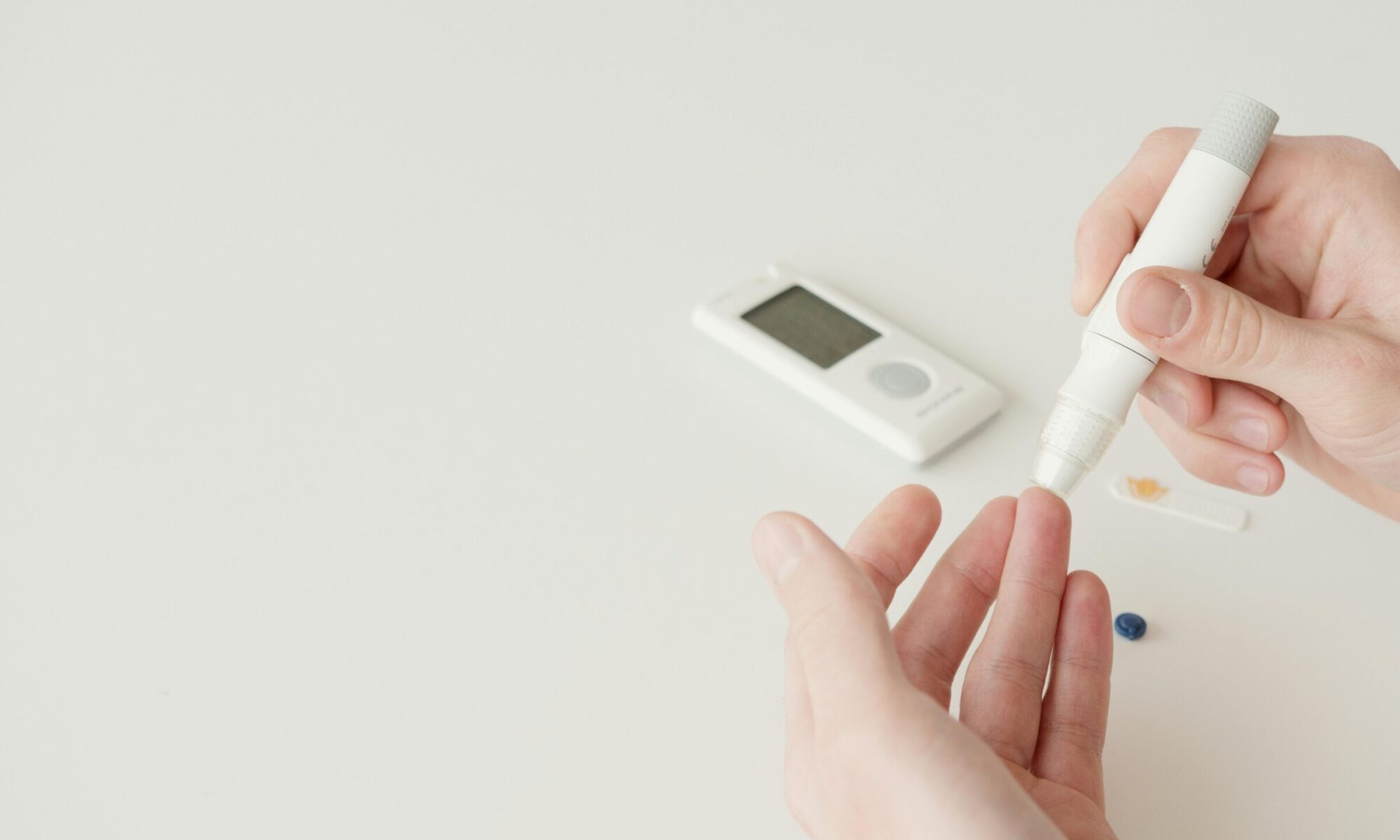

Type 2 Diabetes (T2D) is managed through a combination of lifestyle changes, diet, and medications. While lifestyle modifications are foundational, many individuals with T2D require medication to maintain optimal blood glucose levels. Understanding how these medications work can help individuals better manage their condition and collaborate effectively with their healthcare providers. Here’s an in-depth look at the various types of medications used in T2D management and how they function.
Biguanides
Example: Metformin (Glucophage)
How It Works: Metformin is often the first-line treatment for T2D. It works by reducing the amount of glucose produced by the liver and improving insulin sensitivity, which helps the body use insulin more effectively.
Benefits:
- Lowers fasting blood glucose and HbA1c levels.
- Does not typically cause weight gain.
- Rarely leads to hypoglycemia when used alone.
Side Effects: Common side effects include gastrointestinal issues like nausea and diarrhea. These effects can often be mitigated by starting with a low dose and gradually increasing it.
Sulfonylureas
Examples: Glipizide (Glucotrol), Glyburide (Diabeta), Glimepiride (Amaryl)
How They Work: Sulfonylureas stimulate the pancreas to release more insulin. They are effective for lowering blood sugar levels, particularly after meals.
Benefits:
- Rapid reduction in blood glucose levels.
- Can be combined with other types of diabetes medications for enhanced effectiveness.
Side Effects:
- Risk of hypoglycemia, especially if meals are skipped.
- Possible weight gain.
DPP-4 Inhibitors (Dipeptidyl Peptidase-4 Inhibitors)
Examples: Sitagliptin (Januvia), Saxagliptin (Onglyza), Linagliptin (Tradjenta)
How They Work: DPP-4 inhibitors block the enzyme DPP-4, which breaks down incretin hormones. These hormones help stimulate insulin release after meals and decrease the liver’s production of glucose.
Benefits:
- Low risk of hypoglycemia when used alone.
- Generally well-tolerated with fewer side effects.
Side Effects: May include headaches, upper respiratory tract infections, and joint pain. Rarely, they can cause pancreatitis.
GLP-1 Receptor Agonists (Glucagon-Like Peptide-1 Receptor Agonists)
Examples: Liraglutide (Victoza), Semaglutide (Ozempic), Dulaglutide (Trulicity)
How They Work: GLP-1 receptor agonists mimic the action of the GLP-1 hormone, which increases insulin secretion, slows gastric emptying, and reduces appetite. These actions help control blood glucose levels after meals and contribute to weight loss.
Benefits:
- Effective in lowering blood sugar and promoting weight loss.
- Some GLP-1 agonists also reduce the risk of cardiovascular events in people with T2D.
Side Effects: May include nausea, vomiting, and diarrhea. These typically subside after the body adjusts to the medication.
SGLT2 Inhibitors (Sodium-Glucose Co-Transporter 2 Inhibitors)
Examples: Empagliflozin (Jardiance), Canagliflozin (Invokana), Dapagliflozin (Farxiga)
How They Work: SGLT2 inhibitors work by blocking the reabsorption of glucose in the kidneys, causing excess glucose to be excreted through urine.
Benefits:
- Lower blood sugar levels and promote weight loss.
- Reduce blood pressure.
- Proven to decrease the risk of heart failure and kidney disease in T2D patients.
Side Effects:
- Increased risk of urinary tract and yeast infections.
- Possible dehydration and electrolyte imbalances.
Thiazolidinediones (TZDs)
Examples: Pioglitazone (Actos), Rosiglitazone (Avandia)
How They Work: TZDs increase insulin sensitivity by acting on fat and muscle cells. They make these cells more responsive to insulin, allowing the body to use glucose more effectively.
Benefits:
- Helps control blood glucose levels without causing significant hypoglycemia when used alone.
- Long-lasting effects.
Side Effects:
- Potential weight gain.
- Fluid retention, which can exacerbate or trigger heart failure.
- Increased risk of bone fractures and bladder cancer (with some TZDs).
Insulin Therapy
Types: Rapid-acting, short-acting, intermediate-acting, and long-acting insulins (e.g., Humalog, Novolin, Lantus, Tresiba)
How It Works: Insulin therapy involves injecting insulin to replace or supplement the body’s natural insulin production. The type of insulin used depends on the patient’s needs, whether they require quick action for meals or long-lasting effects to control blood sugar between meals and overnight.
Benefits:
- Highly effective at lowering blood sugar.
- Can be tailored to the individual’s specific needs for optimal glucose management.
Side Effects:
- Risk of hypoglycemia.
- Potential weight gain.
- Injection site reactions.
Meglitinides
Examples: Repaglinide (Prandin), Nateglinide (Starlix)
How They Work: Meglitinides stimulate the pancreas to release more insulin, but they act faster and have a shorter duration than sulfonylureas.
Benefits:
- Effective for controlling blood sugar after meals.
- Lower risk of prolonged hypoglycemia compared to sulfonylureas.
Side Effects:
- Risk of hypoglycemia, especially if meals are skipped.
- Potential weight gain.
Alpha-Glucosidase Inhibitors
Examples: Acarbose (Precose), Miglitol (Glyset)
How They Work: These medications slow the digestion of carbohydrates in the small intestine, which helps prevent spikes in blood sugar after meals.
Benefits:
- Targeted post-meal blood sugar control.
- Can be combined with other medications.
Side Effects:
- Gastrointestinal issues, including gas, bloating, and diarrhea.
- Must be taken with meals for effectiveness.
Choosing the Right Medication
The choice of medication depends on several factors, including the patient’s blood sugar levels, age, comorbid conditions, weight management goals, and risk of cardiovascular disease. Healthcare providers often start with metformin and may add other medications based on individual needs and how the condition progresses.
Combination Therapy: In many cases, a combination of medications may be prescribed to achieve optimal blood sugar control. This approach allows for targeting different mechanisms in glucose regulation and minimizes the side effects of higher doses of a single medication.
Personalized Treatment: T2D treatment is highly individualized, requiring regular monitoring and adjustments based on how the patient responds to medications and lifestyle interventions.
Comprehensive Management of T2D
Effective management of Type 2 Diabetes involves understanding how different medications work and integrating them into a comprehensive treatment plan that includes lifestyle changes and regular monitoring. By knowing how each type of medication functions, patients can engage in more informed conversations with their healthcare providers and take an active role in their diabetes care. This holistic approach helps achieve better long-term blood glucose control, minimizes complications, and improves quality of life.
Disclaimer:
The content on this website/article is community-driven and contributed by non-medical professionals. The observations and views expressed reflect the experiences and opinions of the non-medical community. You are strictly advised to seek the advice or opinion of a qualified medical professional before considering or acting on any information, opinions, or views presented on this website.
View Count: 5 Views
Very useful and thanks for sharing the details. Really useful for layman.