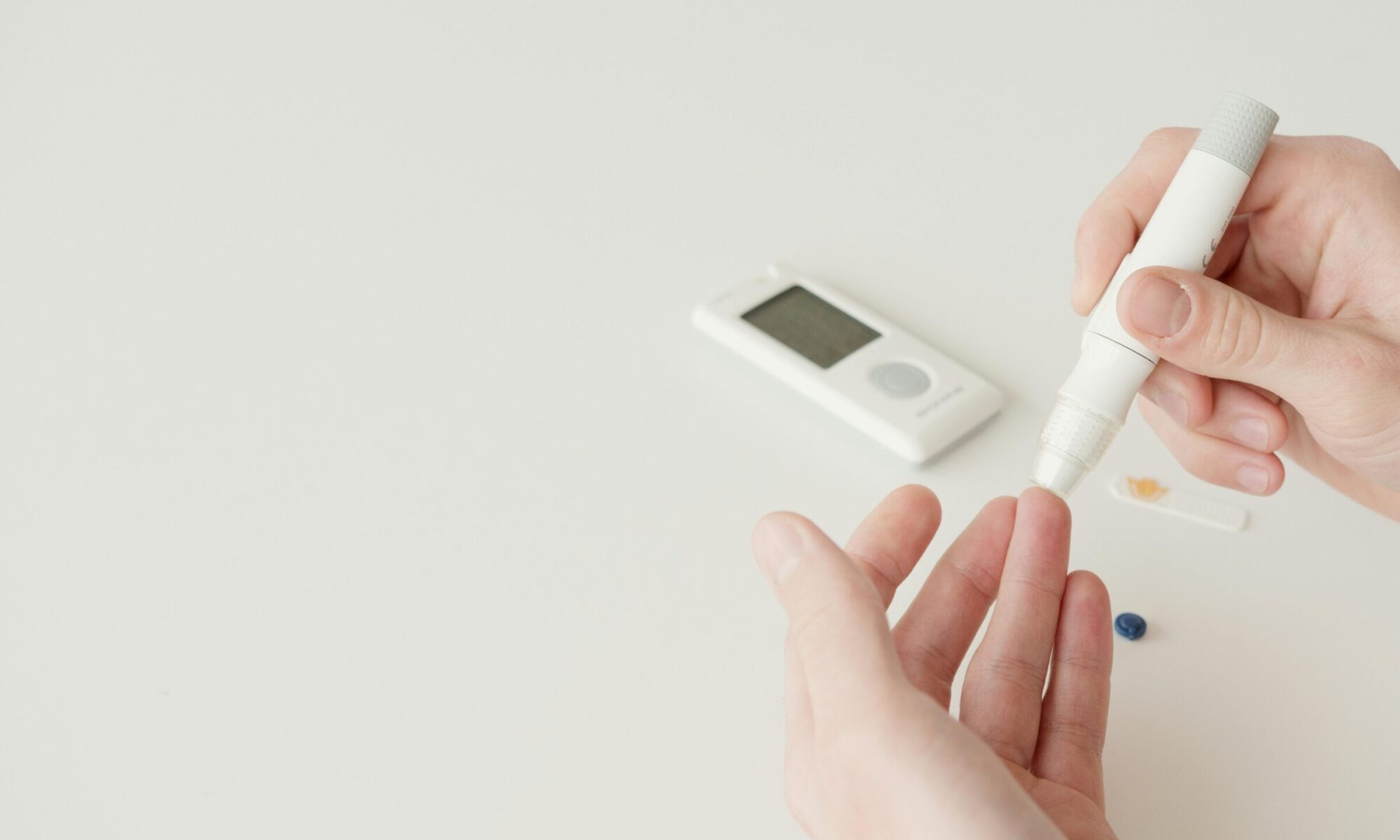

Low Glycemic Index (GI) foods are widely recommended for people with diabetes because they are believed to raise blood sugar slowly and steadily. While this is generally true, the real-world behavior of these foods is more nuanced, especially for individuals using insulin.
The key challenge is not just selecting low GI foods, but understanding how their delayed digestion and glucose release interact with insulin timing. When this alignment is off, even well-planned meals can lead to unexpected lows followed by delayed highs.
What is Glycemic Index and What Does It Really Mean
The Glycemic Index measures how quickly a carbohydrate-containing food raises blood glucose compared to pure glucose.
- Low GI: 55 or less
- Medium GI: 56 to 69
- High GI: 70 and above
Low GI foods are typically:
- Higher in fiber
- Structurally complex
- Slower to digest
However, GI values are determined under controlled conditions. In everyday meals:
- Foods are combined
- Cooking methods vary
- Individual digestion differs
So GI should be treated as a guiding signal, not a precise predictor.
How Low GI Foods Behave in the Body
Low GI foods tend to:
- Stay longer in the stomach
- Break down gradually in the intestine
- Release glucose slowly into the bloodstream
This results in a more gradual rise in blood sugar. But “slow” is not always “smooth.” In many cases, it becomes delayed, which is where challenges begin for those using insulin.
Common Low GI Foods Across Everyday Diets
These are practical examples from commonly consumed foods across different dietary patterns, along with their approximate GI values.
Whole Grains and Staples
| Food Item | Typical GI |
|---|---|
| Steel-cut oats | 42–52 |
| Quinoa | 50–53 |
| Barley | 28–35 |
| Brown rice | 50–55 |
| Whole wheat pasta | 40–50 |
These foods release glucose gradually. However, cooking methods can influence their behavior. For example, overcooked rice or pasta may act closer to medium GI.
Legumes and Plant-Based Protein Sources
| Food Item | Typical GI |
|---|---|
| Lentils (dal) | 20–35 |
| Chickpeas | 28–35 |
| Kidney beans | 24–30 |
| Black beans | 30–35 |
| Hummus | 14–25 |
These are among the slowest-digesting foods. They often lead to prolonged and delayed glucose release, especially when combined with fats.
Breads and Grain-Based Foods
| Food Item | Typical GI |
|---|---|
| Whole grain bread | 50–55 |
| Sourdough bread | 48–54 |
| Chapati (whole wheat roti) | 45–52 |
| Rye bread | 45–50 |
Although these are better than refined grains, they can still produce a moderate glucose rise. Fermented options like sourdough tend to behave more slowly.
Fruits
| Food Item | Typical GI |
|---|---|
| Apple | 36–40 |
| Pear | 30–38 |
| Orange | 40–45 |
| Banana (semi-ripe) | 42–52 |
| Berries | 25–40 |
Fruit behavior varies with ripeness. A ripe banana, for example, can shift toward a higher GI range.
Mixed Meals (Real-Life Patterns)
| Meal | Typical Behavior |
|---|---|
| Dal with brown rice | Moderate but delayed |
| Chickpea salad with oil | Low and slow |
| Beans with rice | Medium with delayed absorption |
| Lentil soup | Low GI, prolonged release |
| Whole grain pasta with vegetables | Low to moderate |
Mixed meals are where GI becomes less predictable because fats and proteins further slow digestion.
The Insulin Mismatch Problem
For individuals using insulin, timing is usually based on an assumption that glucose will rise within 1.5 to 2 hours after eating.
With low GI foods:
- Digestion may be slower than expected
- Glucose may enter the bloodstream much later
If insulin is taken based on usual timing:
- Insulin may act before glucose appears
- This can lead to early hypoglycemia
Later:
- As digestion completes, glucose enters the bloodstream
- Insulin action may already be declining
- This can lead to delayed hyperglycemia
This sequence often feels unpredictable, even when the food choices are appropriate.
Real-Life Scenario
Consider a meal with:
- Brown rice
- Lentils (dal)
- Vegetables
All are low to moderate GI.
If rapid-acting insulin is taken assuming a typical response:
- Blood sugar may begin to drop within the first hour
- The person may need quick carbohydrates to correct the low
- After 2 to 3 hours, digestion progresses
- Blood sugar rises again
This creates a cycle of:
- Early correction for low
- Followed by another correction for high
What to Do When Eating Low GI Foods
1. Adjust Insulin Timing
Instead of taking insulin too early:
- Consider taking it closer to the meal or slightly after
- This helps align insulin action with delayed glucose release
2. Observe Meal-Specific Behavior
Different low GI foods behave differently:
- Lentils may delay glucose significantly
- Bread may act faster
Tracking patterns for specific meals is more useful than relying on GI values alone.
3. Be Mindful of Quantity
Low GI does not mean low impact. Large portions can still result in significant glucose rise.
4. Watch Food Combinations
Adding fat and protein can further slow digestion:
- Oil, butter, or ghee
- Protein-rich additions
This increases the likelihood of delayed glucose release.
5. Consider Split Insulin Dosing (if applicable)
In some cases:
- A portion of insulin can be taken before the meal
- The remainder can be taken later
This approach can help match prolonged glucose release but requires consistency and careful observation.
When Low GI Foods Are Most Helpful
Low GI foods work well when:
- The goal is to avoid sharp glucose spikes
- Sustained energy is needed
- Insulin timing is adjusted appropriately
They can improve overall stability when used with awareness.
When They Can Create Challenges
Low GI foods may lead to difficulties when:
- Insulin is taken assuming faster digestion
- Digestion varies from day to day
- Meals include combinations that slow absorption further
In such cases, the issue is not the food itself, but the mismatch between expected and actual glucose timing.
A Practical Way to Think About Low GI Foods
Instead of labeling foods as “safe,” it is more useful to think in terms of:
- Speed of digestion
- Timing of glucose appearance
- Alignment with insulin action
Low GI foods are not just slow. They are often delayed, and delays require adjustments.
Conclusion
Low Glycemic Index foods are an important part of diabetes management, but they are not automatically easier to manage, especially for those using insulin.
Their slower and sometimes delayed digestion can either stabilize blood sugar or create unexpected fluctuations. The outcome depends on how well insulin timing aligns with actual glucose release.
Understanding this relationship allows low GI foods to be used more effectively, turning them from a general recommendation into a practical tool for better glucose control.
Disclaimer:
The content on this website/article is community-driven and contributed by non-medical professionals. The observations and views expressed reflect the experiences and opinions of the non-medical community. You are strictly advised to seek the advice or opinion of a qualified medical professional before considering or acting on any information, opinions, or views presented on this website.
View Count: 29 Views