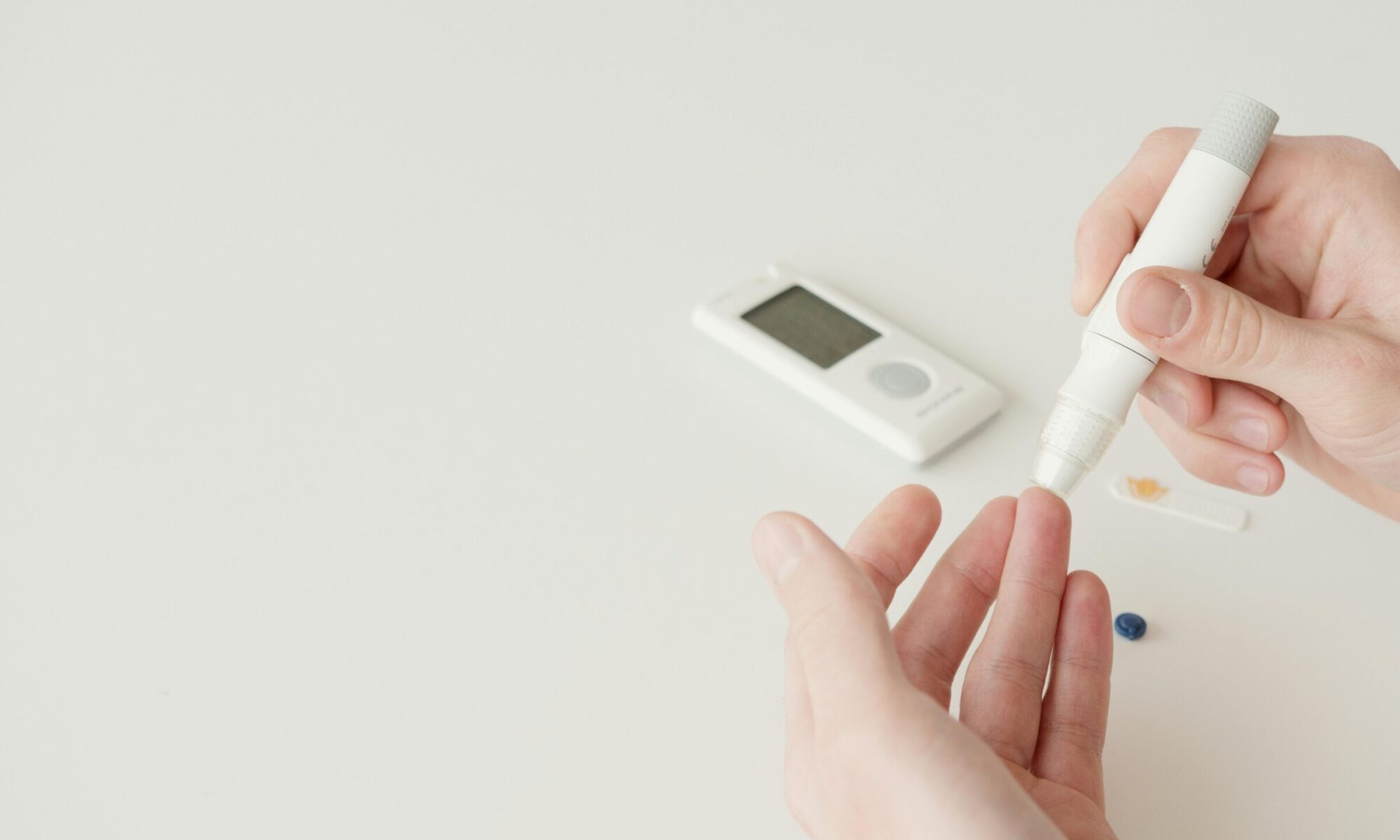

Managing Type 2 Diabetes (T2D) effectively requires regular testing and monitoring to assess blood glucose control, detect complications early, and adjust treatment plans as needed. This article outlines the key blood, urine, and other diagnostic tests performed when T2D is first diagnosed and periodically thereafter to help maintain optimal health.
Blood Tests
Initial and Periodic Blood Glucose Tests
- Fasting Blood Glucose Test: Measures blood sugar levels after an overnight fast. This test helps diagnose diabetes and monitor blood sugar control over time.
- Initial Diagnosis: A fasting blood glucose level of 126 mg/dL or higher indicates diabetes.
- Periodic Monitoring: Performed during follow-up visits to assess how well blood sugar levels are managed.
HbA1c Test (Glycated Hemoglobin Test)
- Purpose: Provides an average blood sugar level over the past 2-3 months.
- Initial Diagnosis: An HbA1c level of 6.5% or higher suggests diabetes.
- Periodic Monitoring: Typically measured every 3-6 months to track long-term glucose control. The target HbA1c level for most people with diabetes is below 7%, although individual targets may vary.
Random Blood Glucose Test
- Purpose: Measures blood sugar at any time of the day, regardless of when the person last ate.
- Initial Diagnosis: A random blood glucose level of 200 mg/dL or higher indicates diabetes if accompanied by symptoms.
Oral Glucose Tolerance Test (OGTT)
- Purpose: Assesses how the body processes glucose. It is especially useful for diagnosing diabetes in individuals with borderline fasting blood glucose levels.
- Initial Diagnosis: A reading of 200 mg/dL or higher two hours after consuming a glucose-rich drink confirms diabetes.
Lipid Profile
- Purpose: Measures cholesterol and triglyceride levels to assess cardiovascular risk, as people with T2D have an increased risk of heart disease.
- Initial and Periodic Monitoring: A full lipid profile, including total cholesterol, LDL, HDL, and triglycerides, should be performed at diagnosis and at least once a year.
Liver Function Tests
- Purpose: Evaluates liver health, as some diabetes medications and the condition itself can affect liver function.
- Periodic Monitoring: Recommended at diagnosis and annually or more frequently if liver conditions are present or if certain medications are used.
Urine Tests
Urine Albumin-Creatinine Ratio (UACR)
- Purpose: Detects small amounts of protein in the urine, an early sign of kidney damage (diabetic nephropathy).
- Initial and Periodic Monitoring: Performed at diagnosis and repeated at least annually to monitor kidney health. A UACR of 30 mg/g or higher suggests potential kidney damage.
Urinalysis
- Purpose: Screens for glucose, ketones, protein, and other substances in the urine. High levels of glucose or ketones can indicate poorly controlled blood sugar or diabetic ketoacidosis (DKA).
- Periodic Monitoring: Conducted periodically as part of a comprehensive diabetes check-up.
Microalbumin Test
- Purpose: Detects very low levels of albumin in the urine, indicating early kidney damage.
- Periodic Monitoring: Recommended annually if there are no signs of kidney disease; more frequently if issues are detected.
Comprehensive Tests for Monitoring Complications
Kidney Function Tests
- Serum Creatinine and Estimated Glomerular Filtration Rate (eGFR):
- Purpose: Assesses kidney function. High creatinine levels or a low eGFR can indicate reduced kidney function.
- Initial and Periodic Monitoring: Should be checked at diagnosis and annually or more frequently if kidney disease is present.
Eye Exams
- Dilated Retinal Exam:
- Purpose: Detects diabetic retinopathy, a complication that can lead to vision loss.
- Initial and Periodic Monitoring: A comprehensive eye exam should be performed at diagnosis and at least once a year thereafter.
- Optical Coherence Tomography (OCT):
- Purpose: Provides detailed images of the retina to detect early signs of macular edema or damage.
Neuropathy Screening
- Monofilament Test and Nerve Conduction Studies:
- Purpose: Detects diabetic neuropathy, which affects nerves, often starting in the feet and hands.
- Initial and Periodic Monitoring: A monofilament test should be done at diagnosis and annually. More detailed studies may be recommended if symptoms progress.
Blood Pressure Checks
- Purpose: High blood pressure can worsen diabetes complications, especially those involving the heart and kidneys.
- Initial and Periodic Monitoring: Blood pressure should be checked at every doctor’s visit, with a target of less than 140/90 mmHg or as recommended by the healthcare provider.
Foot Exams
- Purpose: Detects changes in skin, circulation, and nerve health that can lead to ulcers and infections.
- Initial and Periodic Monitoring: A comprehensive foot exam should be done at diagnosis and during every diabetes care visit.
Additional Tests for Comprehensive Care
C-Peptide Test
- Purpose: Differentiates between Type 1 and Type 2 Diabetes by measuring how much insulin the body is producing.
- Initial Testing: Used when the type of diabetes is unclear.
Thyroid Function Tests
- Purpose: Detects thyroid issues, which are common in individuals with T2D.
- Periodic Monitoring: Recommended if there are symptoms of thyroid dysfunction or as part of routine screening.
Vitamin B12 Levels
- Purpose: Monitors B12 levels, especially in patients taking metformin, which can reduce B12 absorption.
- Periodic Monitoring: Every 1–2 years or as directed by a healthcare provider.
Regular Testing for Effective Diabetes Management
The journey of managing Type 2 Diabetes involves more than just monitoring blood glucose levels. Comprehensive blood, urine, and other tests are essential to evaluate the condition’s progression, identify complications early, and adjust treatment plans accordingly. Initial tests at diagnosis establish a baseline, while periodic monitoring ensures optimal health and prevents complications. Collaborating closely with healthcare providers and adhering to a regular testing schedule is crucial for effective diabetes management and a better quality of life.
Disclaimer:
The content on this website/article is community-driven and contributed by non-medical professionals. The observations and views expressed reflect the experiences and opinions of the non-medical community. You are strictly advised to seek the advice or opinion of a qualified medical professional before considering or acting on any information, opinions, or views presented on this website.
View Count: 10 Views