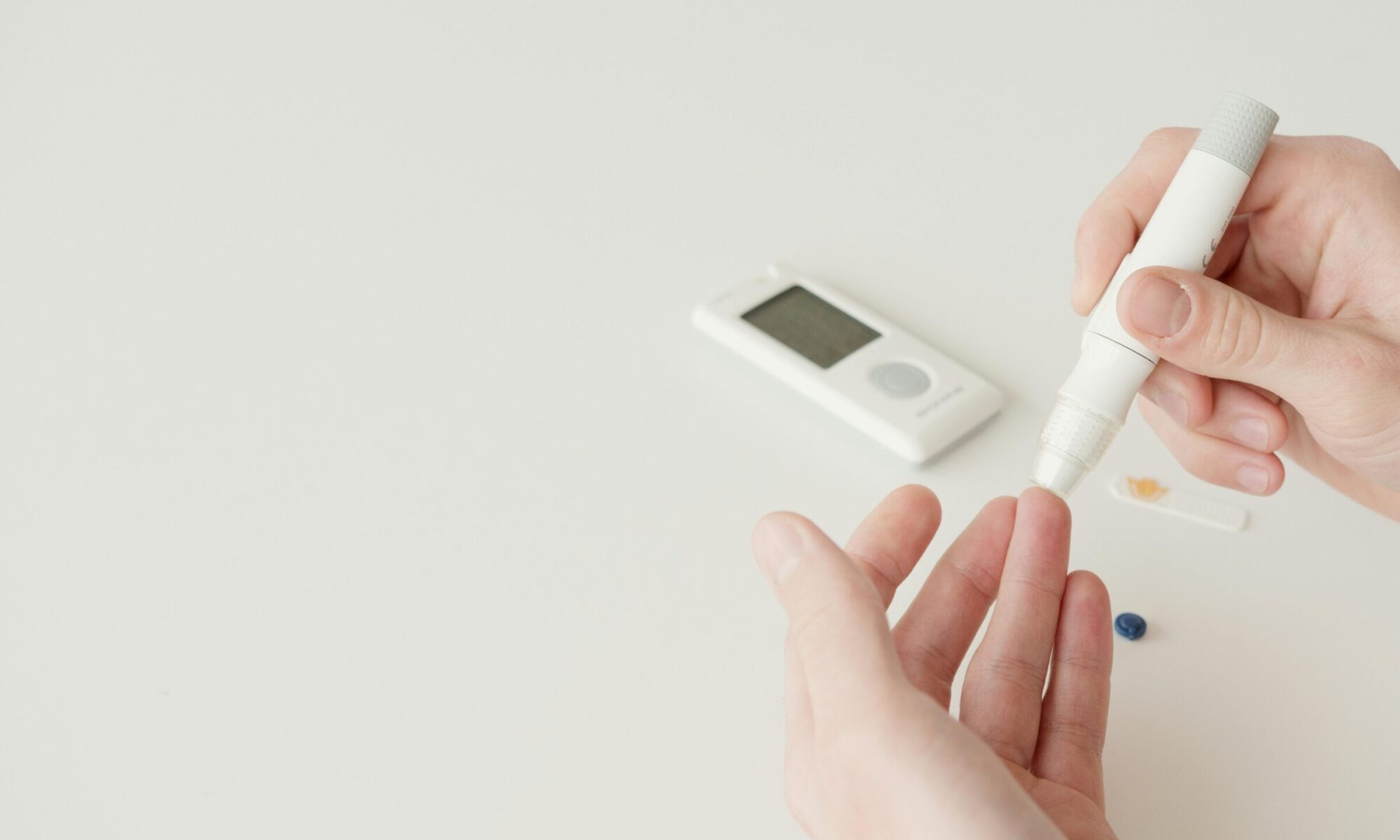

Managing diabetes often involves a combination of lifestyle changes and medications. While medications are essential for controlling blood sugar levels and preventing complications, some can lead to weight gain, which poses challenges for diabetes management. Understanding which diabetes medications are associated with weight gain, the mechanisms behind it, and how to manage it can empower patients to take a proactive approach to their treatment plan.
Types of Diabetes Medications That May Cause Weight Gain
1.1. Insulin Therapy:
- Overview: Insulin is essential for Type 1 Diabetes management and sometimes necessary for Type 2 Diabetes. It helps cells absorb glucose from the bloodstream to lower blood sugar levels.
- Why It Causes Weight Gain: Insulin enables the body to store excess glucose as fat. If there is an imbalance between insulin dosage and food intake, weight gain can occur, especially when patients consume additional calories to prevent hypoglycemia.
- Types of Insulin: Both short-acting and long-acting insulin can contribute to weight gain if not carefully managed.
1.2. Sulfonylureas:
- Examples: Glipizide, Glyburide, and Glimepiride.
- How They Work: Sulfonylureas stimulate the pancreas to produce more insulin. This increased insulin production helps lower blood sugar but can also lead to weight gain.
- Reason for Weight Gain: The increase in insulin promotes fat storage and can lead to hypoglycemia, which may prompt individuals to eat more and gain weight.
1.3. Thiazolidinediones (TZDs):
- Examples: Pioglitazone (Actos) and Rosiglitazone (Avandia).
- How They Work: TZDs improve insulin sensitivity by acting on fat cells and increasing the storage of glucose as fat.
- Mechanism of Weight Gain: These medications often lead to fluid retention and an increase in fat mass, resulting in weight gain. This can be particularly concerning for individuals already struggling with obesity.
1.4. Meglitinides:
- Examples: Repaglinide (Prandin) and Nateglinide (Starlix).
- How They Work: Meglitinides stimulate the pancreas to release more insulin, similar to sulfonylureas but with a shorter action duration.
- Impact on Weight: The increase in insulin secretion can lead to similar weight gain patterns seen with other insulin-stimulating drugs.
Why Diabetes Medications Can Cause Weight Gain
2.1. Increased Insulin Levels: Many diabetes medications work by increasing insulin production or improving how the body uses insulin. While this helps lower blood sugar, it also promotes the storage of glucose as fat when caloric intake exceeds expenditure.
2.2. Hypoglycemia Prevention: To avoid low blood sugar episodes (hypoglycemia), individuals may consume extra calories, leading to weight gain. This can happen with insulin therapy and insulin-stimulating drugs like sulfonylureas.
2.3. Fluid Retention: Certain drugs, such as TZDs, can cause the body to retain fluid, leading to weight gain that is not purely fat but still impacts overall body weight and health.
2.4. Metabolic Changes: Some medications alter how the body metabolizes carbohydrates and fats, which can result in weight gain over time.
Strategies to Manage Medication-Related Weight Gain
3.1. Diet and Nutrition:
- Balanced Meals: Focus on nutrient-dense, low-calorie foods that help maintain blood sugar control without adding unnecessary weight.
- Portion Control: Be mindful of portion sizes to prevent overeating, especially if hypoglycemia management requires extra snacks.
- Carbohydrate Management: Work with a dietitian to create a meal plan that aligns with medication needs without promoting weight gain.
3.2. Exercise:
- Regular Physical Activity: Incorporate at least 150 minutes of moderate exercise per week, such as walking, cycling, or swimming, to help offset potential weight gain from diabetes medications.
- Strength Training: Adding resistance exercises can build muscle mass, which helps improve insulin sensitivity and maintain a healthy metabolism.
3.3. Medication Review:
- Consult Your Doctor: Discuss potential alternatives or adjustments to your treatment plan. Some newer medications, like GLP-1 receptor agonists and SGLT2 inhibitors, may promote weight loss or have neutral effects on weight.
- Adjust Dosing: Work with your doctor to find the lowest effective dose of your current medication that still maintains blood sugar control.
3.4. Monitor Progress:
- Frequent Weigh-Ins: Regularly monitoring your weight can help identify trends early and prompt timely interventions.
- Blood Sugar Logs: Keeping track of blood sugar levels can help you and your healthcare provider assess how well your current medication and lifestyle plan are working.
Medications That May Help Counteract Weight Gain
GLP-1 Receptor Agonists:
- Examples: Liraglutide (Victoza), Semaglutide (Ozempic).
- Benefits: These medications enhance insulin secretion in response to meals and help reduce appetite, often resulting in weight loss.
SGLT2 Inhibitors:
- Examples: Canagliflozin (Invokana), Dapagliflozin (Farxiga).
- Benefits: Promote the excretion of glucose through urine, leading to reduced blood sugar levels and potential weight loss.
Tips for Reducing the Risk of Weight Gain
Stay Hydrated:
- Manage Fluid Retention: Drinking enough water and reducing sodium intake can help mitigate fluid retention, especially with medications like TZDs.
Mindful Eating:
- Listen to Your Body: Pay attention to hunger and fullness cues to avoid unnecessary snacking or overeating.
- Avoid Emotional Eating: Stress or emotional triggers can lead to overeating, exacerbating medication-related weight gain.
Plan Meals:
- Pre-Meal Planning: Plan meals and snacks to align with medication timing to maintain stable blood sugar and reduce the likelihood of extra calorie intake to combat hypoglycemia.
Weight gain can be an unfortunate side effect of many diabetes medications, especially insulin, sulfonylureas, and TZDs. By understanding the mechanisms behind this weight gain and working closely with healthcare providers, individuals can take steps to mitigate these effects. Through balanced nutrition, regular physical activity, and appropriate medication adjustments, weight management is possible even when taking diabetes treatments that contribute to weight gain.
Disclaimer:
The content on this website/article is community-driven and contributed by non-medical professionals. The observations and views expressed reflect the experiences and opinions of the non-medical community. You are strictly advised to seek the advice or opinion of a qualified medical professional before considering or acting on any information, opinions, or views presented on this website.
View Count: 11 Views